
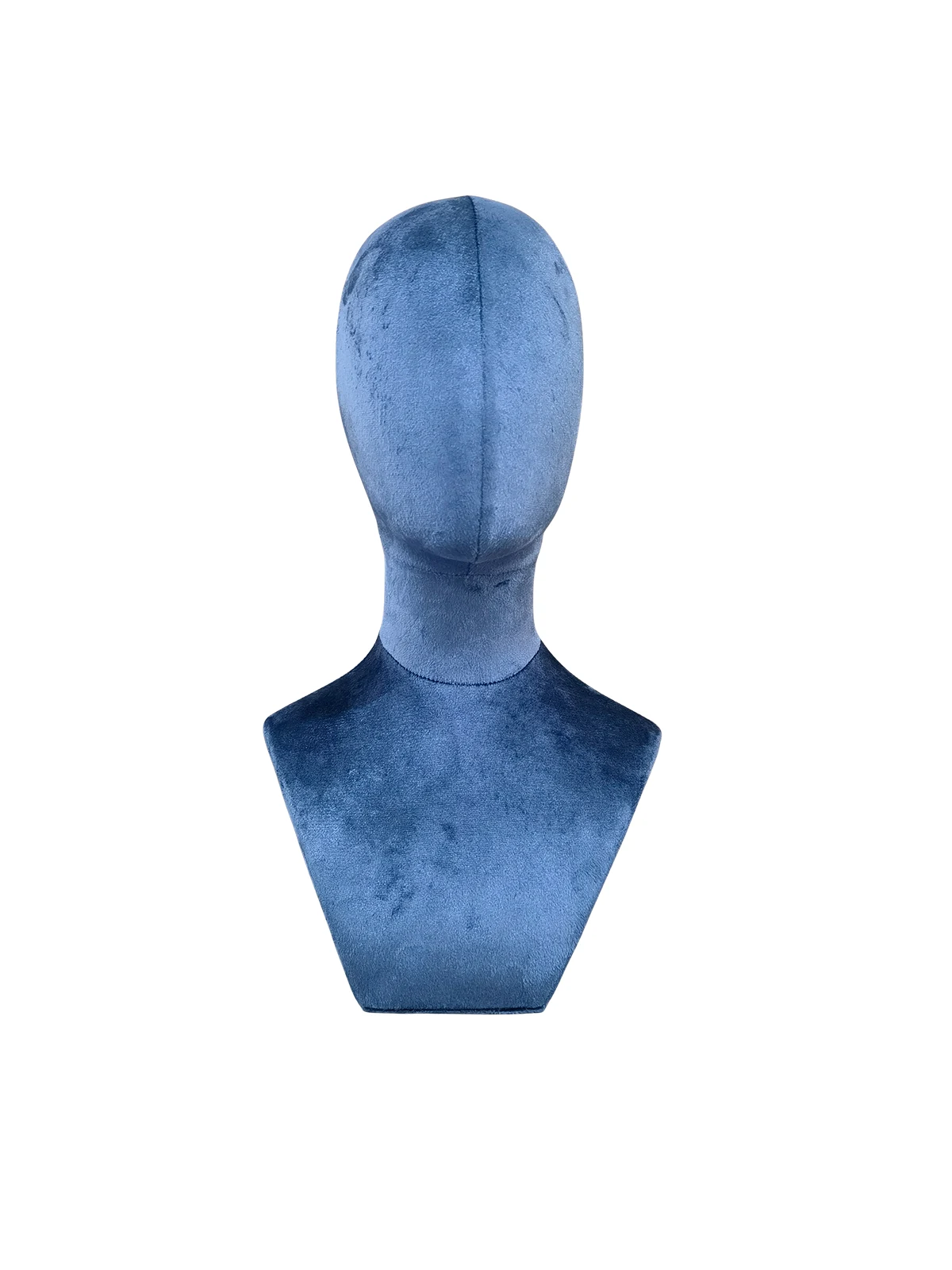
Eyewear Display Stands: Bridge Support, Temple Clearance and Customer Access
Select eyewear display stands by bridge contact, temple clearance, lens protection and customer access, with a sample trial for frames and sunglasses.
An eyewear display stand should hold the frame at approved contact points, keep lenses clear of the support and allow removal without forcing the temples. Test it with the narrowest, widest and most unusually shaped frames in the assortment. A stand that holds one pair neatly is not automatically suitable for the whole range.
For optical and accessory retailers, the display has two jobs: make the design easy to see and make the product easy to handle. The useful specification is therefore the relationship between frame, support and fixture, not simply the stand’s material or height.
Choose the display role first
A full head form gives a worn context and can help connect eyewear with hats or scarves. A compact bridge stand emphasises a single frame. A tray or tier can make a larger assortment easier to compare, provided products remain separated and supported.
Choose by the product and interaction you need. A window may prioritise the front silhouette; a counter may need a side view of the temple detail; an open sales fixture needs straightforward lift-off and replacement. Our display head guide introduces the head-form option.
Map the contact points on the actual frame
Ask the eyewear team which regions can bear against the support. Check how the bridge or nose pads meet it and whether another part of the frame needs support. The lens, decorative details and hinges should not become unintended contact points.
| Frame feature | Question for the sample trial | Reason to revise the support |
|---|---|---|
| Bridge or nose pads | Does the frame sit at the intended angle? | The pair rocks, slides or rests on a delicate fitting |
| Front width and curvature | Is the support clear of the lens surfaces? | A lens touches the stand or an adjacent frame |
| Temple spread | Can the temples sit in their intended position? | The stand holds them under outward tension |
| Hinges and decoration | Are projecting features clear during removal? | A hinge or ornament catches on the support |
| Overall balance | Does the pair remain seated during normal use? | The frame tips as a neighbor is lifted |
| Customer grip | Is there room to grasp the frame as intended? | The user must touch a lens or twist the pair free |
This matrix is a proposed buying checklist, not a frame-sizing standard. A display fit also says nothing about how eyewear will fit a customer’s face.
Measure more than the numbers on the temple
Provide the frame’s overall front width, its actual curvature, open-temple outline and the position where it meets the stand. Record whether the display uses open or folded temples. Include side photographs so the supplier can see the relationship between bridge, lenses and arms.
Nominal frame markings can help identify a model, but they do not describe every contact surface or decorative projection. For a mixed assortment, send representative products rather than assuming that a single set of measurements covers all shapes.
Keep lenses clear and contact surfaces clean
Inspect the finished stand for rough seams, edges, residue and trapped grit. A soft contact pad is only useful when its shape and condition suit the frame. Ask how pads are cleaned and replaced, and whether the cleaning method leaves anything that could transfer to the product.
ZEISS’s spectacle-lens care guidance advises against resting glasses on the lenses and recommends appropriate lens-cleaning materials. Apply that handling principle to display design: keep lens surfaces off the support, and follow each product’s care instructions. The guidance does not certify any stand or pad material.
Separate cleaning the fixture from cleaning the eyewear. A product approved for an acrylic shelf may not be approved for frame finishes or lens coatings. Let the fixture dry as directed before replacing stock.
Test head forms for temple clearance
On a head form, inspect the nose, sides and ear area. The temples should not need to be forced around a head that is too wide. A narrow head may let the pair fall forward or sit at an unintended angle.
For a campaign combining hats and eyewear, test both products together. A brim can touch the frame, while the frame may alter how the hat sits. Use the hat display head guide for the headwear fit, then approve the combined arrangement.
Design spacing around the open product
Plan the fixture using the actual outline of the frame and temples. Leave enough room for the intended removal path and for a neighboring pair to remain undisturbed. The display density should reflect access as well as the number of stands that fit on a shelf.
For a tiered counter, check the lowest and highest rows from the customer’s position. Labels should identify the product without blocking it or inviting a user to lift a pair by its lens. The props and risers guide helps organize the heights.
Review reflections and the side view
Check the display under the installed lighting with the actual lenses in place. Reflections can conceal the frame outline, and a tall support can appear through a clear lens. Adjust the support angle or lighting before adding more decorative material.
Where temple design is important, allow a view that reveals it rather than showing every pair only from the front. Our retail lighting guide covers reflection and viewing-angle checks.
Approve a representative sample set
- Select small, large, curved and embellished frames from the intended assortment.
- Record the support reference, pads, dimensions and open or folded display position.
- Check all contact points and lens clearance.
- Repeat lift-off and replacement using the intended customer or staff method.
- Inspect the frames and pads for marks, residue or changed alignment.
- Review the full fixture, including labels, neighboring pairs and lighting.
Set the trial period and acceptance criteria with the eyewear team. Reassess compatibility when a new frame family is introduced or the pad material changes.
Frequently asked questions
Can one stand fit all glasses and sunglasses?
Only if the intended frames pass the contact, clearance and handling checks. Different bridges, curves and temple shapes may need different supports.
Should lenses rest on the stand?
Design the support so lenses remain clear. Ask the eyewear team to approve contact points on the frame and review the actual products on a sample.
Is a head form better than a small stand?
A head form provides styling context; a smaller stand can emphasise individual frame details. Choose according to the campaign and handling requirements.
Prepare an eyewear display brief
Send frame references, photographs, dimensions, handling requirements, fixture drawings and quantities through XINTU’s custom project page. Ask for a sample support arrangement to assess with your eyewear team before placing the full order.