
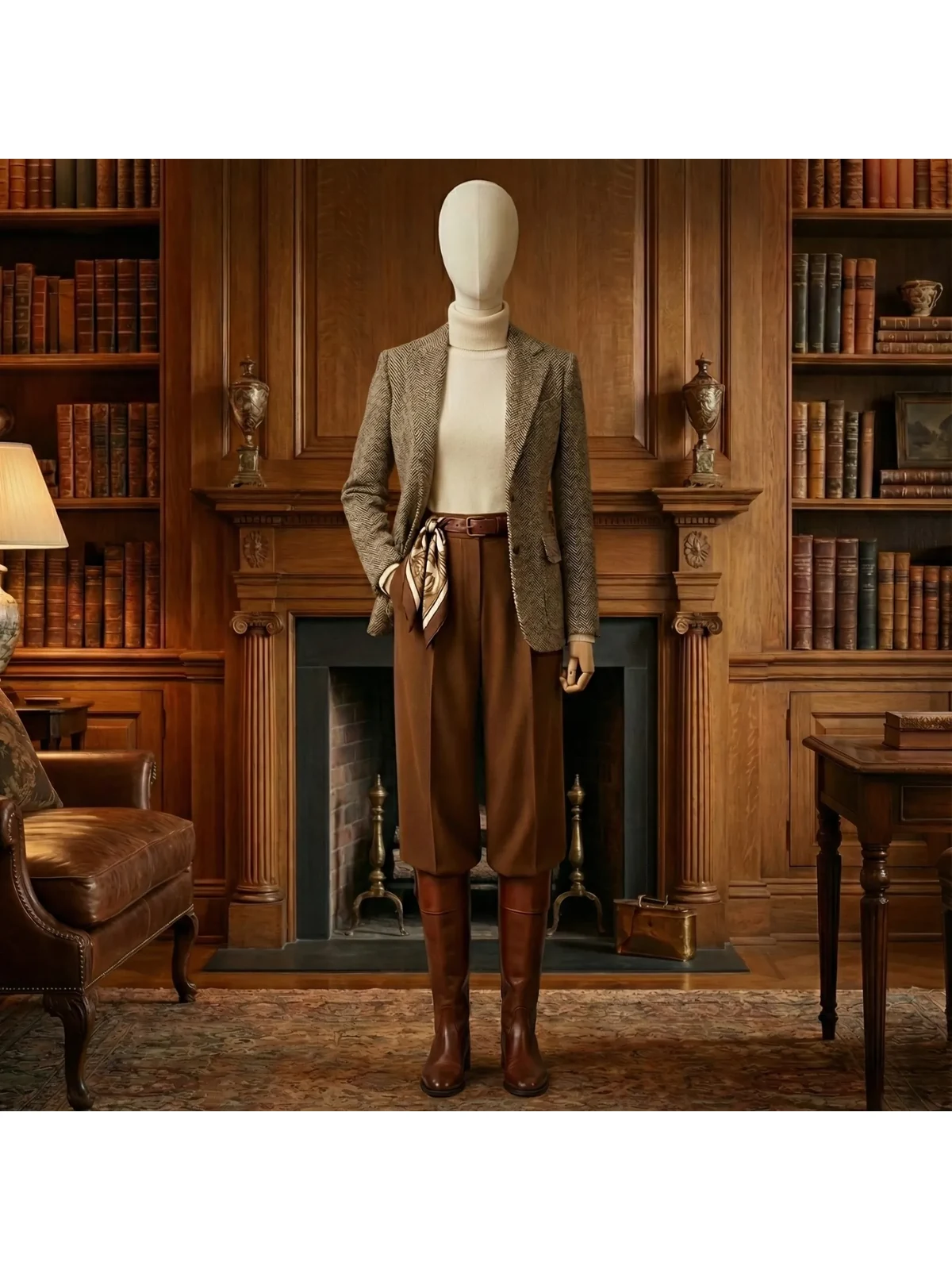
How to Dress a Mannequin: Styling Tips for Visual Merchandising
How to dress a mannequin for visual merchandising: fit, steaming, layering, pinning, accessorising and posing tips to make garments look their best in-store.
Knowing how to dress a mannequin well is one of the highest-impact skills in visual merchandising. The same garment can look flat or premium depending on fit, layering, pinning and finishing. This guide gives retailers and visual merchandisers a practical, step-by-step approach to how to dress a mannequin so every look sells.
Start with fit
Fit comes first. Choose a form whose proportions suit the garment, and work with the correct size so clothes sit naturally rather than straining or hanging loose. A fabric-covered mannequin makes fit easier because you can pin directly into the surface. If a piece does not fit the form, adjust the styling rather than forcing the garment.
Steam and layer
Always steam garments before dressing — creases read as cheap, even on premium fabric. Build looks from the inside out: base layers first, then mid-layers, then outerwear, so each layer sits smoothly. Leave a little room at collars and cuffs so layers show without bunching, and let heavier pieces hang from the shoulders rather than the arms.
Pinning and tailoring tricks
- Pin at the back and inside seams so pins stay hidden from the shopper’s view.
- Take in loose waists, backs and sleeves with folds and pins for a tailored line.
- Use bulldog clips or binder clips out of sight to cinch fabric cleanly.
- Roll or cuff sleeves and hems to control length without altering the garment.
Accessorise and finish
Accessories turn an outfit into a story. Add a belt to define the waist, a scarf or jewellery for a focal point, and shoes or a bag to complete the look. Keep it edited — one or two hero accessories read better than many. Check the look from the shopper’s eye line and from a distance, and make sure the brand’s key piece is the first thing the eye lands on.
Pose and position
Posable and adjustable mannequins let you set a natural stance that suits the garment — relaxed for casualwear, upright for tailoring. Angle the form slightly toward the main customer flow, and group mannequins so they tell a coherent story. For placement across the store, see our guide on mannequin placement and store flow.
Common mistakes to avoid
- Un-steamed, creased garments that cheapen the display.
- Visible pins, clips or tags facing the shopper.
- Ill-fitting sizes that strain or sag on the form.
- Over-accessorising that distracts from the hero product.
- Leaving looks unchanged for too long, so displays feel stale.
Frequently asked questions
How do you dress a mannequin so clothes look their best?
Start with the right size and form, steam every garment, build looks in layers, and pin loose fabric out of sight for a tailored line. Finish with one or two hero accessories and a natural pose angled toward customer flow.
How do you hide pins when styling a mannequin?
Pin at the back, inside seams and under layers so pins are not visible to the shopper. Bulldog or binder clips hidden behind the form can also cinch fabric cleanly without showing.
Should you steam clothes before dressing a mannequin?
Yes. Creases make even premium garments look cheap, so steam every piece before dressing. Steaming also helps fabric drape smoothly over the form and layers.
Why is a fabric-covered mannequin easier to style?
You can pin directly into a fabric-covered form to tailor the fit and hold garments in place, which is harder on a hard fiberglass surface. Fabric forms also give a soft, premium backdrop for the clothes.
How often should you restyle mannequin displays?
Refresh mannequin looks regularly — often weekly or with each new delivery — so displays feel current and encourage repeat visits. Rotating styling also spreads wear across your stock.
Looking for mannequins that are easy to style? XINTU is a custom mannequin manufacturer in China producing fabric-covered and posable forms that pin and dress beautifully, for fashion brands, boutiques and retailers worldwide. Share your garments, quantity and reference images for a quote and project support. Contact us.