
Mannequin Materials Explained: Fiberglass, Fabric and More
Compare mannequin materials by appearance, durability, handling and customization to choose the right display solution for your fashion brand.
The material behind a mannequin affects much more than its weight. It influences the silhouette, surface finish, durability, handling requirements and the way the display supports a brand environment. For fashion retailers and visual merchandising teams, understanding mannequin materials makes it easier to compare samples and write a clear production brief.
Start with the display objective
There is no single material that is best for every project. A flagship window may prioritize a precise sculptural form and a custom color, while a showroom may need a softer textile surface. A multi-store rollout may place more value on repeatability, easy handling and replacement planning.
Before comparing materials, define where the mannequins will be used, how frequently they will be moved, which garments they will carry and what visual language the collection should express.
Fiberglass mannequins
Fiberglass is widely used for full-body retail mannequins because it can reproduce detailed shapes and smooth surfaces. It works well for realistic, abstract and stylized figures, and it accepts a broad range of painted finishes. Matte white, custom color, metallic effects and other decorative treatments can all be developed around the brand concept.
Its advantages include strong shape definition, design flexibility and consistent production from an approved mold. The main considerations are careful handling, protective packaging and repair planning. Impact on corners, fingers or connection points can damage the surface, so stores should train staff to assemble and move the figures correctly.
Fabric-covered forms
Fabric-covered mannequins and dress forms create a warmer, more tactile presentation. Linen, cotton, velvet and other textiles can change the mood dramatically, from natural and understated to rich and theatrical. This construction is often chosen for boutiques, showrooms, tailoring environments and brands that want visible material character.
The textile should be evaluated for color consistency, seam placement, stretch, abrasion resistance and how it behaves around curved areas. Pinning should never be assumed: only forms designed with a suitable internal layer should be used for repeated pin work.
Alternative and composite options
Depending on the product type and manufacturing method, a display may also use polyurethane foam, resin, wood, metal, recycled-content components or mixed constructions. These options can be useful for lightweight forms, sculptural props, detachable parts or specific sustainability goals. Availability and performance vary, so buyers should request material details and a physical sample rather than relying on a general label.
How to compare mannequin materials
- Appearance: Does the material support the required silhouette, texture and finish?
- Handling: Can store teams safely assemble, dress and move the display?
- Durability: How will the surface respond to repeated use, cleaning and transport?
- Consistency: Can color, texture and dimensions be repeated across a rollout?
- Repairability: Are replacement parts, touch-up guidance or repair options available?
- Packaging: Is the packaging designed around the material and its vulnerable points?
Questions to include in your supplier brief
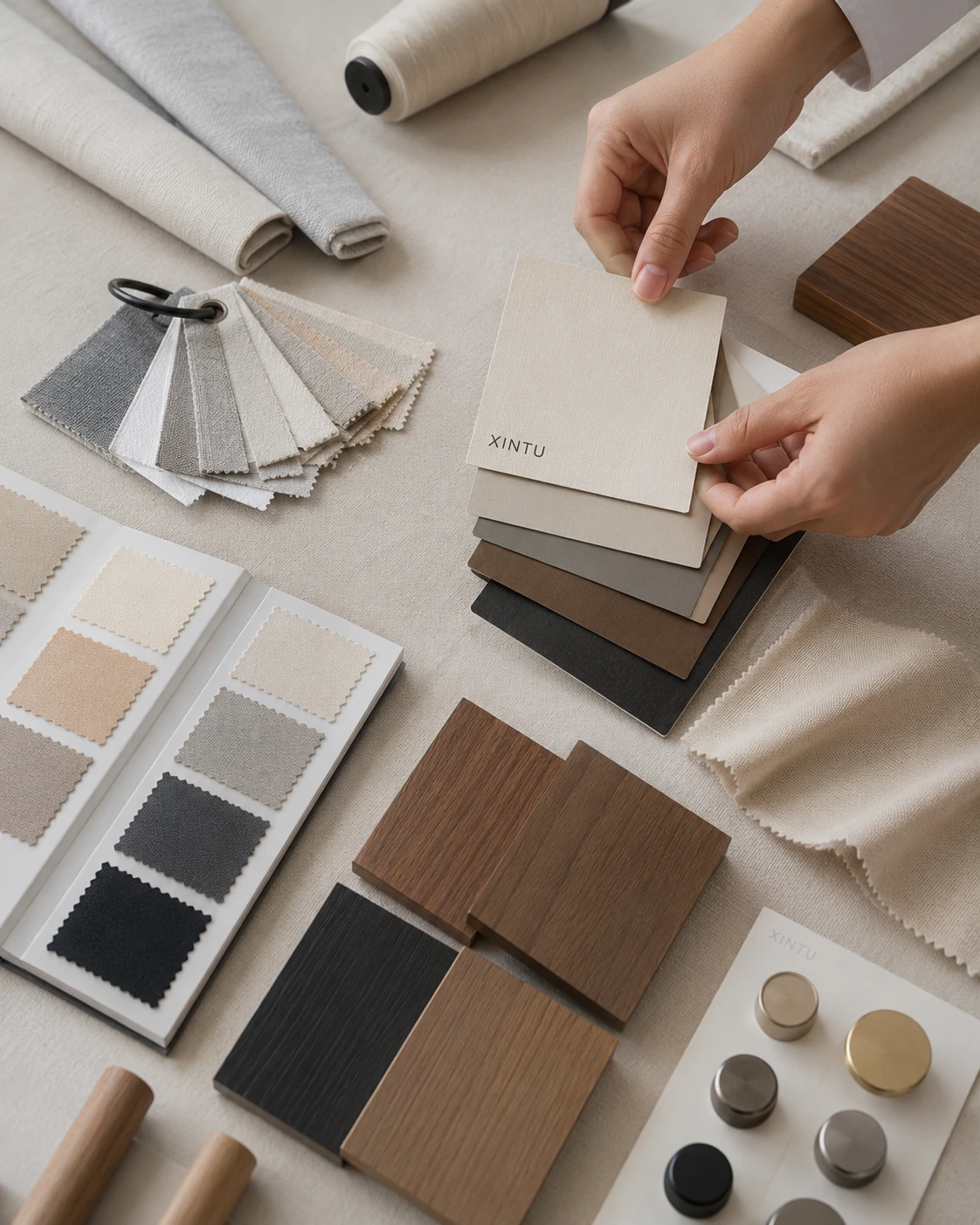
Ask the supplier to confirm the main body material, internal reinforcement, joint construction, base specification, surface treatment and expected tolerances. Provide color references, fabric swatches and photographs of the intended store environment. For larger programs, approve a sample before bulk production and record every finish and hardware decision in the final specification.
Choose a complete system, not just a shell
The most effective mannequin is a coordinated system of body material, joints, base, finish and packaging. Evaluating these elements together reduces surprises during installation and makes future reorders more consistent.
When several materials are under consideration, request matched samples and review them under the store lighting. Compare color, touch, edge quality, joint movement and packing method with the same checklist. A structured review keeps aesthetic preferences connected to practical operating needs and gives procurement teams a clearer basis for approval.
Explore XINTU Display’s product range or contact our team to discuss materials and samples for a custom retail display project.