Dress Forms Explained: Uses, Fabrics and How to Choose
What a dress form is, how it differs from a display mannequin, plus fabrics, sizing and custom OEM options for retail and tailoring from XINTU.
A dress form is one of the most versatile tools in fashion retail and production — used for display, styling, pinning and garment development. This guide explains what a dress form is, how it differs from a display mannequin, and how to choose one.
What is a dress form?
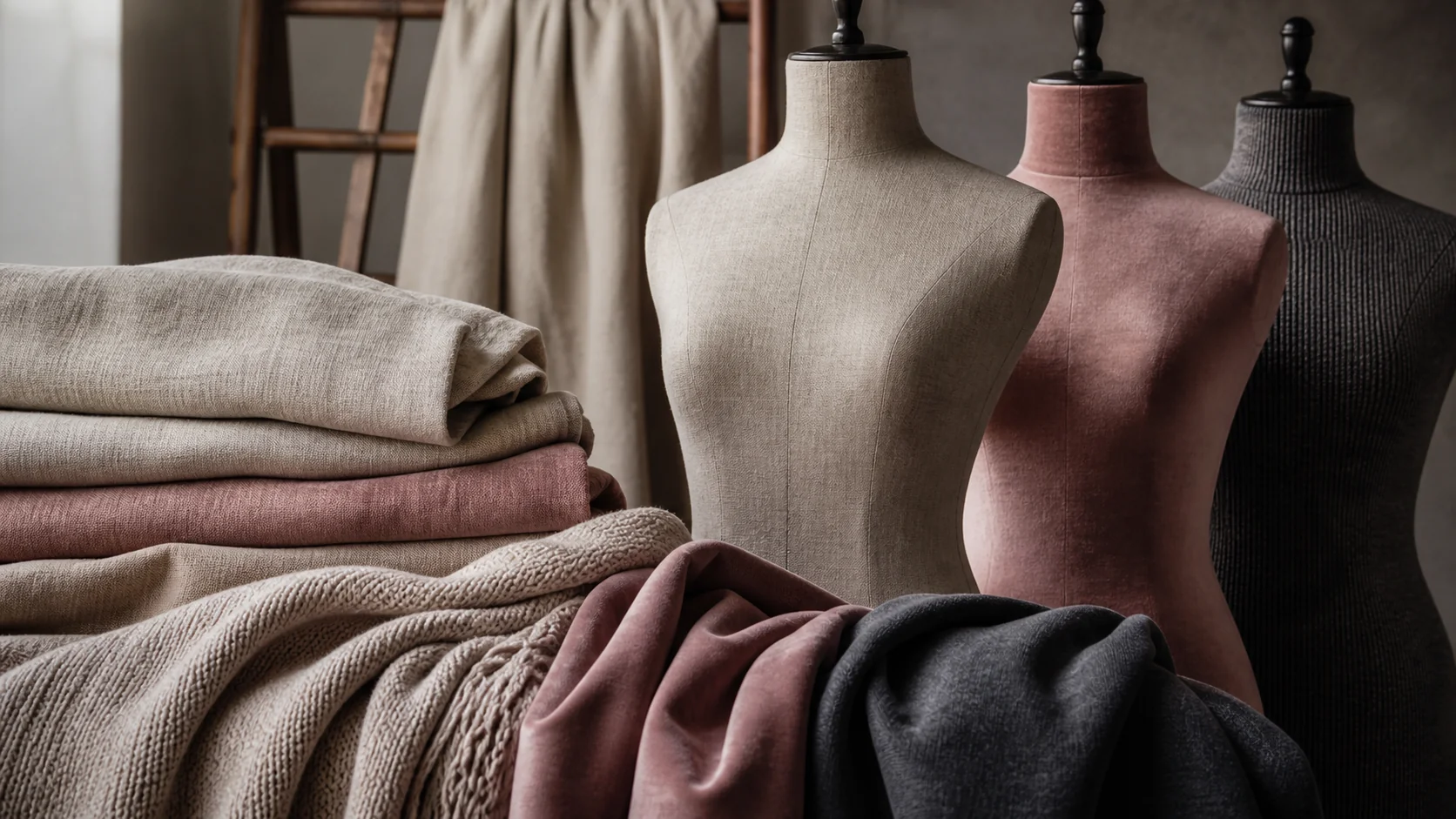
A dress form (or tailor’s form) is a torso-shaped form used to present or work on garments. Fabric-covered dress forms have a soft, pinnable surface that suits both display and light fitting work — a favourite for boutiques, ateliers and studios.
Dress form vs display mannequin: what’s the difference?
A display mannequin usually has a full or half body with head, arms and legs, built mainly to show a complete look. A dress form is a torso (often on a stand) focused on the garment itself — ideal for a single piece, pinning or tailoring. Many retailers use both.
Uses of a dress form
- Window and in-store display of a single garment
- Styling and merchandising on counters and tables
- Pinning and light fitting for ateliers and tailors
- Lookbook and content shoots
Fabric and finish options
Choose a fabric-covered finish such as linen or velvet. A firmer, pinnable surface is useful for tailoring; a refined textile suits premium display. Bases and stands can be tailored to your space.
Sizing and proportions
Dress forms come in female and male proportions and different sizes. Match the form to your typical garments — womenswear, menswear, tailoring or knitwear.
What to customise (OEM)
- Female or male proportions and size
- Fabric type and colour
- Stand/base type and finish
- Branding — logo and packaging
How to choose: a quick checklist
- Decide display-only or display + pinning.
- Pick female/male proportions and size.
- Choose fabric and base.
- Ask about MOQ, lead time and OEM.
- Request reference images or a sample first.
Frequently asked questions
What is the difference between a dress form and a mannequin?
A dress form is a torso-shaped form focused on the garment, often used for display, pinning or tailoring, while a display mannequin is usually a full or half body built to show a complete look. Many retailers use both.
Can a fabric-covered dress form be used for pinning and fitting?
Yes. Fabric-covered dress forms have a pinnable surface suited to light fitting and styling, as well as display. For heavy pattern work, specify a firmer surface.
Do you offer male and female dress forms?
Yes. Dress forms are available in female and male proportions and different sizes, and can be customised to your garments.
Can dress forms be customised with our branding?
Yes — fabric colour, base/stand, size and OEM branding such as logo and packaging can all be tailored.
What is the MOQ and lead time for custom dress forms?
It varies by design and quantity. Share your size, fabric, quantity and reference images for an accurate quote, lead time and MOQ.
Need custom dress forms?
XINTU is a custom mannequin manufacturer in China producing fabric-covered dress forms for boutiques, tailors and fashion brands worldwide. Share your requirements and reference images for a quote. Contact us.